Everyday Tech
Portable Speakers: What Matters Beyond Volume
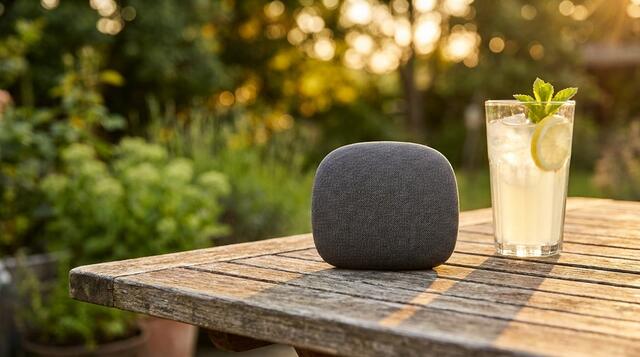
Loudness is easy to print on a box and hard to compare. Water and dust ratings, battery, Bluetooth codecs and where you put the speaker usually shape the experience more.

Fit, noise control and battery matter more in daily life than most spec-sheet lines. A guide to choosing by where you wear them, with a plain-English look at codecs and safe listening.

Start with the place where the headphones will spend most of their time, and work backwards. A pair that is ideal on a train can be a poor choice for a long video call, and the best pair for a run may be uncomfortable after two hours at a desk. Features only matter relative to that setting.
Commuting is mostly about noise. Active noise cancelling uses microphones and an opposing signal, and it tends to work best on steady low rumbles such as engines and air conditioning. It is usually less effective against sudden or higher-pitched sounds such as announcements and voices. Passive isolation, the physical seal of a good fit, does a great deal of the work too, which is why the shape of the ear tip or cushion deserves as much attention as the noise-cancelling label.
Look for a transparency or ambient mode if you cross roads on foot, so you can hear traffic without taking the headphones off. Check the battery life in both modes, since noise cancelling draws power, and check how the case charges if you tend to forget.
Here, comfort over several hours is the priority: weight, clamping force and whether the cushions trap heat. Microphone quality matters more than isolation if your day is mostly calls, and it is worth reading how the maker describes its microphones rather than assuming they match the speaker quality. A multipoint feature, which keeps the headphones connected to two devices such as a laptop and a phone, saves repeated pairing, but support and behaviour differ, so confirm it is listed. If you use a wired connection at the desk, there is no battery to run down and no codec to negotiate.
The priorities change again: a secure fit, a design that tolerates sweat, and enough awareness of your surroundings. Many people choose in-ear models with hooks or wings, or open-ear designs that leave the ear canal uncovered. Open designs let outside sound in, which is the point, but they leak sound to people nearby and offer little isolation in loud places.
Sweat and rain resistance is described by an IP code. The first digit rates dust and the second rates water; an X means that aspect was not rated. In Intertek's list of the digits, IPX4 is protected against splashed water and IPX7 against the effects of temporary immersion. A rating describes a specific test, so for sweat, salt water or anything beyond it, treat the code as a useful signal rather than a promise and follow the care instructions on rinsing and drying.
| Fit | Where it tends to suit | Trade-offs to weigh |
|---|---|---|
| In-ear, with a sealing tip | Commuting, travel and gym, since small cases travel well | A seal is needed for isolation; some people find it tiring, and small parts are easy to lose |
| On-ear | Light, portable listening | Pressure on the ears can be uncomfortable over time, and isolation is moderate |
| Over-ear, closed | Desk work, long journeys, noisy rooms | Bulkier to carry and can feel warm |
| Over-ear, open-back | Quiet home or office listening | Sound leaks both ways, so they are unsuited to shared or noisy spaces |
| Open-ear, ear-hook or clip | Running, cycling, staying aware of surroundings | Little isolation, more sound leakage and weaker bass |
A codec is the method used to compress audio for the wireless link, and both the phone and the headphones must support the one used. Bluetooth’s newer LE Audio standard introduces the LC3 codec. The Bluetooth SIG says listening tests found LC3 can match the quality of the older SBC codec at under half the bit rate, which a maker can use to extend battery life, to raise quality, or to land between the two. The same SIG material says sinks and sources must use the same approach, so LE Audio features need support on both phone and headphones, and that a device can support both classic and LE Audio. If a pair is advertised as upgradeable, ask the maker how.
For most people the codec is a secondary consideration beside fit, noise control and battery. The exception is LE Audio’s broadcast feature, Auracast, which lets one source share audio with several receivers, for example to hear a silent TV in a public venue. It is a reason to check what a new pair supports if you expect to use that.
The World Health Organization says over a billion young adults are at risk of permanent, avoidable hearing loss from unsafe listening practices. Its joint standard with the International Telecommunication Union describes four features for personal audio systems: a sound allowance that tracks how loud and how long you listen, a personal listening profile, volume limiting, and general safe-listening information. The reference exposure is 80 dB for 40 hours per week for adults and 75 dB for children.
Not necessarily. A rating tells you which test the product passed, and the second digit is not a ranking of every lower digit. For sweat and light rain, the maker’s stated rating and care advice are more useful than the highest number.
Only if you want its features. Per the Bluetooth SIG, both the source and the headphones need support, and many devices continue to support classic audio as well. If your phone does not list LE Audio, the headphones will still work in the classic way.
The WHO material reviewed here concerns how loud and how long you listen. Connection type is not what the standard measures.
Before you decide
If you plan to share music out loud instead, portable speakers beyond volume covers the same codec and IP ideas for speakers. For keeping track of a case or a bag, see Bluetooth trackers, and for more everyday devices browse Everyday Tech.
How we research. Based on manufacturer documentation and the sources listed below. Know Your Gadget did not test products for this article. See our editorial policy.
Everyday Tech
Loudness is easy to print on a box and hard to compare. Water and dust ratings, battery, Bluetooth codecs and where you put the speaker usually shape the experience more.
Everyday Tech
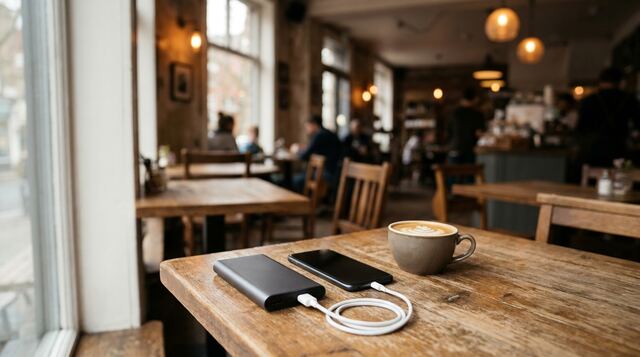
The biggest number on a power bank, its mAh rating, is the hardest to compare. Watt-hours, conversion losses and USB power negotiation explain what you really get, and what airlines look at.
Outdoor & Travel
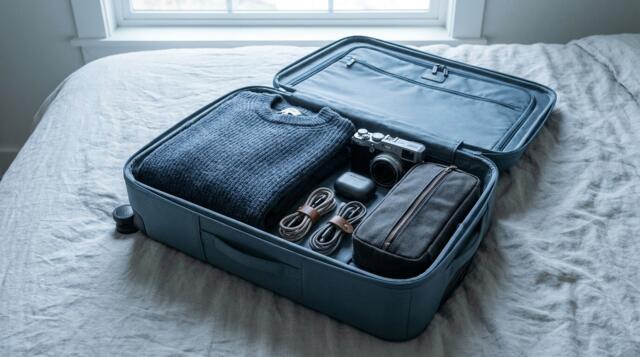
A short list of gadgets that earn their space in a carry-on, a second list of ones that often do not, and five questions for deciding about anything else.