Home Gadgets
What to Look for When Choosing an Air Purifier
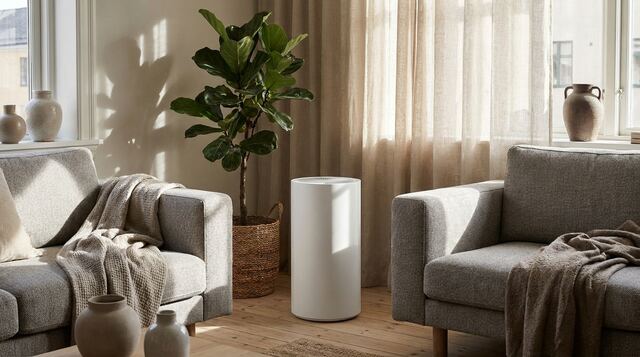
A portable air purifier is a filter with a fan. Matching its airflow to your room, avoiding ozone and knowing what filters cannot do matter far more than the extra features.

Spec sheets lead with suction numbers and run-time claims that are hard to compare. Here is a ranked view of what is worth weighing, what depends on your home, and what is mostly packaging.
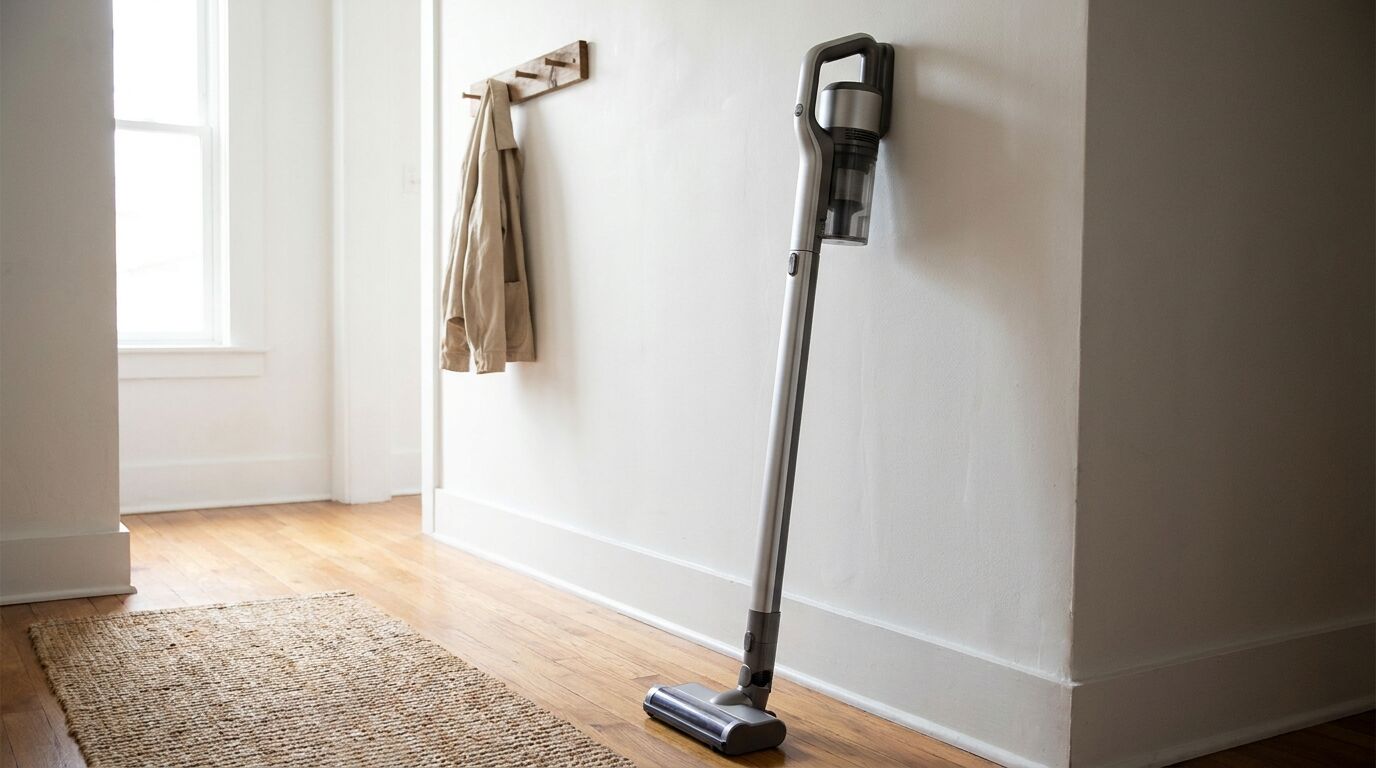
The number printed biggest on a cordless vacuum’s box is rarely the one that decides whether you will like living with it. This guide ranks features by how much they change daily use, and sorts the rest into “depends on your home” and “mostly marketing”. Figures quoted come from consumer organisations’ own published testing, which we cite; we ran no tests ourselves.
Advertised minutes usually apply to the lowest power setting, or to a head with no motorised brush. CHOICE in Australia advises reading the fine print on long battery claims, because they may apply only to non-motorised tools or eco modes. In its tested stick vacuums the average run time on maximum was about 13 minutes, with a range from 6 to 33. Which? in the UK says around 15 to 16 minutes on maximum is decent, that some models give up in under 10, and that some overstate battery life by as much as a third.
What this means in practice depends on your floors. A small flat with mostly hard floors can live on low settings; a house with thick carpet and a pet will spend time on high. Work out the setting you would use and look for independent figures for it. Charge time matters too: CHOICE’s average was about four hours (2.6 to 8), and Which? calls about three hours average and anything longer a negative.
Batteries wear. CHOICE notes that many cheaper stick vacuums do not have replaceable batteries, which shortens the machine’s useful life, and suggests checking the battery warranty separately because some cover it for only a few months. A swappable battery also lets you keep a charged spare for a bigger home. Before buying, find out whether replacements are sold for the model, whether you can fit one yourself, and roughly what they cost, because the pricing of spares varies a great deal.
Health Canada lists dry dusting, sweeping and vacuuming with a non-HEPA vacuum as ways settled particles get back into the air, and recommends a HEPA vacuum for cleaning. CHOICE says to look for HEPA if there is asthma or allergies, describing HEPA filters as designed to capture at least 99.97% of particles of 0.3 microns. Wording varies between brands, so look for a plain statement of the filter type and, ideally, independent results on how well the whole machine keeps dust in, not only how the filter performs on its own. Which? says its testing checks whether allergens stay in the dust chamber, a reminder that sealing matters too. Washable filters need washing: CHOICE suggests monthly.
Weight. CHOICE’s tested stick vacuums averaged 2.8 kg (from 2.1 to 4.1 kg), and Which? puts cordless models at around 3 kg against about 6.4 kg for corded ones. If you have stairs or tall shelves, that extra kilogram is felt. Check whether the main unit can be used as a handheld, which some cannot.
Bin size. CHOICE found an average of 0.4 L (0.2 to 0.6 L); Which? gives roughly 0.5 to 1 L. The two organisations measure different product ranges, so treat the gap as a sign that sizes vary rather than as a contradiction. Small bins are fine in a flat and a nuisance in a family home. Bagless is cheaper to run; self-emptying stands cut the number of times you handle dust, at a price premium and with bags to buy.
Attachments. A crevice tool and a dusting brush are the practical minimum, in CHOICE’s view. Mop heads and pet-hair tools are useful only if they suit your floors; with wet pickup, CHOICE notes the capacity is small (about 150 mL) and the bin and filter then need cleaning and drying.
Noise. CHOICE’s tested averages were 74 dB on maximum, ranging from 67 to 84 dB. If you vacuum while someone works or sleeps nearby, check the figure at the setting you will use.
| Claim on the box | Why it is hard to use | Check instead |
|---|---|---|
| Peak suction figure in pascals or air watts | Brands choose their own measuring methods, and a peak figure says little about cleaning on your floor | Independent cleaning results on carpet and hard floor |
| “Up to 60 minutes” | Often the eco setting, without a powered brush | Minutes on the setting and tool you will use |
| Number of filter stages | Stage count tells you little about how well the machine retains dust | The filter type and independent allergen retention results |
| Smart display and app | Pleasant, but does not change cleaning | Whether the display shows remaining charge and a clear fault message |
| Long list of attachments | You may use two | Whether the ones you need are included |
This table is our reading of the sources above rather than a cited rule, and the “check the conditions behind the claim” habit carries over to other purchases, such as the decision framework in small kitchen appliances.
If you need a replacement charger, Health Canada says to buy from a trusted source with matching voltage and current, and to use only chargers with a recognised Canadian mark such as CSA, cUL or cETL. Equivalent marks and rules in the UK and Australia differ, and we did not verify them here, so follow the manufacturer’s instructions. For long-term storage, Health Canada suggests keeping charge at about 50% and checking every three months. Power banks use the same battery chemistry, and our portable charger explainer covers them.
Before you buy a cordless vacuum
Indoor air depends on more than the vacuum. Cooking, candles and tobacco smoke add particles too, and an air purifier is a supplement, not a replacement, for cleaning and ventilation.
How we research. Based on manufacturer documentation and the sources listed below. Know Your Gadget did not test products for this article. See our editorial policy.
Home Gadgets
A portable air purifier is a filter with a fan. Matching its airflow to your room, avoiding ozone and knowing what filters cannot do matter far more than the extra features.
Everyday Tech
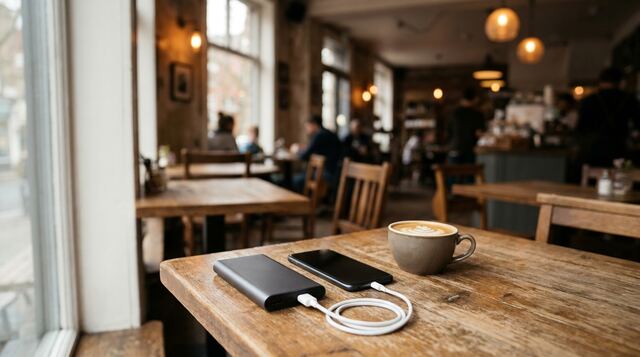
The biggest number on a power bank, its mAh rating, is the hardest to compare. Watt-hours, conversion losses and USB power negotiation explain what you really get, and what airlines look at.
Kitchen & Lifestyle
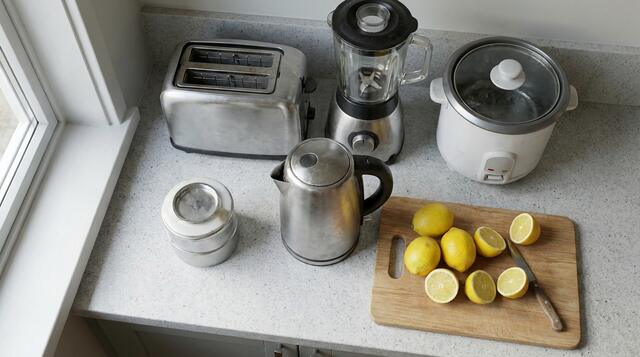
Seven questions that sort the appliances you will use weekly from the ones that end up in a cupboard, plus a matrix for comparing worktop footprint, power and cleaning.